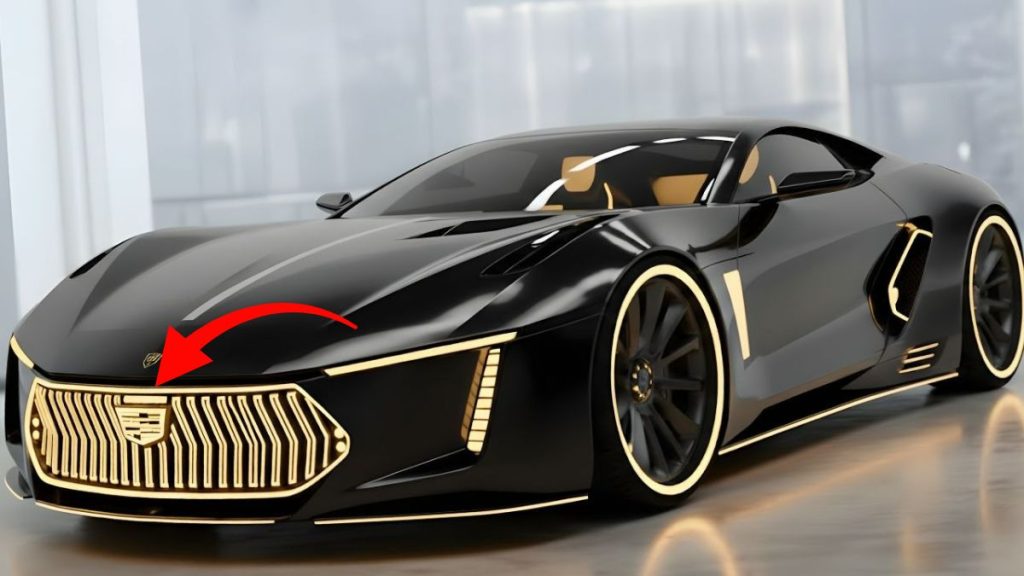
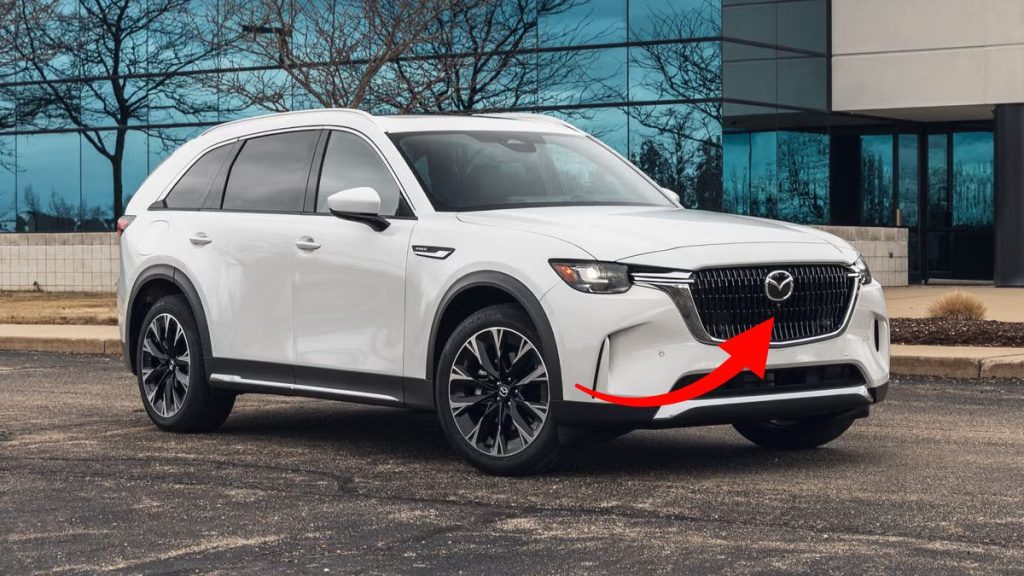
Rumors have now turned into full‑blown excitement as Chevrolet prepares to introduce the 2026 Corvette SUV, a model that could redefine what a performance SUV means. For the first time in history, the iconic Corvette badge is stepping into SUV territory, blending supercar DNA with family‑friendly practicality.
Early teasers and industry leaks suggest this is not a softened Corvette—it is a bold expansion of the brand. Chevrolet is positioning the Corvette SUV to compete directly with ultra‑luxury performance SUVs such as the Porsche Cayenne Turbo and Lamborghini Urus, while still keeping its American muscle identity intact
A Radical Shift for the Corvette Nameplate
For decades, Corvette represented low‑slung speed, aggressive aerodynamics, and track‑ready performance. Bringing that identity into an SUV format was always going to spark debate. Yet Chevrolet believes modern buyers want speed without sacrifice, and that is exactly what this vehicle aims to deliver.
Instead of replacing the classic Corvette, the SUV version expands the lineup. It allows performance enthusiasts to enjoy Corvette‑level power while accommodating families, luggage, and daily driving needs.
Expected Launch Timeline and Market Strategy
Dealers are already preparing for spring 2026 showroom arrivals, with early interest reportedly high even before official specs are released. Chevrolet appears confident that demand will stretch well beyond traditional sports‑car buyers.
With strong support for American manufacturing and performance vehicles, the timing works in Chevrolet’s favor. The Corvette SUV is expected to be U.S.-built, giving it pricing and supply advantages over imported European rivals.
Twin‑Turbo V8 Power Takes Center Stage
At the heart of the 2026 Corvette SUV is expected to be a twin‑turbocharged 5.5‑liter V8 engine, delivering an estimated 682 horsepower. This output places it firmly in super‑SUV territory.
Power will be routed through a 10‑speed automatic transmission and a performance‑focused all‑wheel‑drive system, enabling lightning‑fast launches and confident high‑speed stability. Early estimates suggest 0–60 mph times under four seconds, a remarkable feat for an SUV.
Multiple Powertrain Options for Wider Appeal
While the V8 grabs headlines, Chevrolet is expected to offer additional powertrain choices. Entry‑level variants may feature high‑output turbocharged four‑cylinder engines producing around 400 horsepower, making the Corvette SUV more accessible.
There are also strong hints of hybrid assistance, combining electric motors with gasoline engines. This setup could deliver short EV‑only driving modes for city use while preserving aggressive performance when demanded.
Towing and Utility Without Compromise
Unlike traditional sports cars, the Corvette SUV will emphasize utility. Towing capacity is expected to reach up to 7,000 pounds, allowing owners to haul trailers, track cars, or recreational gear with ease.
This capability transforms the Corvette SUV into a genuine multi‑purpose vehicle—one that handles school runs during the week and track days or road trips on weekends.
Advanced Suspension and Ride Technology
Chevrolet is expected to equip the Corvette SUV with magnetic ride control, a system capable of adjusting suspension stiffness in milliseconds. This allows the vehicle to remain comfortable during daily driving while becoming razor‑sharp during spirited runs.
Early previews suggest the SUV borrows balance principles from the mid‑engine Corvette C8, focusing on weight distribution and handling precision rather than brute force alone.
Trims and Pricing Target the Performance Elite
Pricing for the 2026 Corvette SUV is expected to start around $85,000 for the base LT1 trim, which would include leather seating, large alloy wheels, and advanced driver‑assistance features.
Higher trims such as ZLT could climb to around $130,000, adding carbon‑ceramic brakes, Alcantara interiors, and enhanced performance hardware. A flagship ZR1X hybrid variant is rumored to approach $160,000, potentially offering combined outputs exceeding 1,200 horsepower.
Competitive Pricing Against European Rivals
Despite premium pricing, Chevrolet undercuts many European rivals by a significant margin. Comparable Lamborghini and Porsche models often exceed $200,000 when fully equipped.
American assembly, lower ownership costs, and brand recognition give Chevrolet a strong edge. Leasing options could also attract executives and enthusiasts looking for high performance without extreme long‑term costs.
Interior Design Blends Luxury and Driver Focus
Inside, the Corvette SUV is expected to feature a driver‑centric cockpit inspired by the Corvette sports car, but adapted for daily comfort. High‑quality leather, suede accents, and carbon‑fiber details are likely throughout the cabin.
A large 16‑inch digital instrument cluster will display performance data such as G‑forces, lap times, and drive modes. Despite the performance focus, the cabin will remain practical and spacious.
Space and Comfort for Real‑World Use
Unlike traditional Corvettes, the SUV version prioritizes practicality. Cargo space behind the rear seats is expected to reach around 30 cubic feet, expanding significantly when seats are folded flat.
Five passengers will enjoy generous legroom, while quad‑zone climate control ensures comfort across all seating positions. This makes the Corvette SUV suitable for long journeys and family use.
Cutting‑Edge Infotainment and Connectivity
Chevrolet plans to equip the Corvette SUV with a next‑generation infotainment system supporting wireless Apple CarPlay, navigation, and real‑time performance monitoring.
An augmented‑reality head‑up display is expected to project navigation directions and track data directly onto the windshield. Wireless charging, premium connectivity, and over‑the‑air updates keep the system future‑ready.
Advanced Driver Assistance and Hands‑Free Tech
The Corvette SUV will include hands‑free highway driving technology, allowing semi‑autonomous cruising on compatible roads. Adaptive cruise control, lane centering, and traffic assist features reduce fatigue during long drives.
Additional safety systems such as automatic emergency braking, blind‑spot monitoring, and night‑vision cameras are expected to be standard or optional across trims.
Safety Designed for Performance and Families
Chevrolet is engineering the Corvette SUV to achieve top safety ratings, combining advanced sensors with a reinforced body structure.
Pedestrian detection, collision avoidance, and AI‑based lane tracking help protect occupants in urban environments, while stability systems maintain control during high‑speed driving
Bold Exterior Design Signals Corvette DNA
Design is where the Corvette SUV makes its boldest statement. The front fascia features a shark‑nose profile, aggressive air intakes, and slim LED headlights that echo Corvette styling cues.
Wide fenders house 22‑inch alloy wheels, while the rear design references the Corvette C8 with a squared stance and quad exhaust outlets.
Aerodynamics and Functional Styling
Despite its SUV shape, aerodynamics play a major role. Deployable spoilers, air channels, and active vents help manage airflow at high speeds.
With an overall length of around 192 inches, the Corvette SUV remains manageable in urban settings while offering strong road presence. Ground clearance of approximately 8 inches allows light off‑road use and driveway clearance.
Driving Experience Promises Supercar Thrills
Early driving impressions suggest the Corvette SUV delivers unexpected agility, with minimal body roll and sharp steering response.
The all‑wheel‑drive system distributes power dynamically, allowing controlled drifts or maximum grip depending on the selected mode. Magnetic suspension ensures the ride remains comfortable even on rough roads.
Weight Management and Braking Confidence
Despite weighing close to 4,800 pounds, advanced materials and chassis tuning help the Corvette SUV feel lighter than its size suggests.
High‑performance braking systems bring the vehicle to a stop quickly and confidently, even from triple‑digit speeds. This balance between power and control defines the driving experience.
Market Reaction Divides Purists and Progressives
The idea of a Corvette SUV has divided enthusiasts. Traditionalists worry about brand dilution, while others welcome the evolution.
Dealers, however, are optimistic, projecting annual sales of up to 50,000 units, far exceeding traditional Corvette volumes. Waiting lists are reportedly already forming.
Competitive Landscape and Future Outlook
The Corvette SUV enters a rapidly growing performance SUV segment. Its combination of power, price, and practicality gives it a unique position.
Future variants could include fully electric versions by 2028, aligning with global trends while preserving performance credentials.
Reliability, Warranty, and Ownership Confidence
Chevrolet is expected to offer strong warranty coverage, including extended powertrain protection. Early reliability projections benefit from lessons learned with the Corvette C8 platform.
Lower service costs compared to European rivals further strengthen the ownership proposition.